Solar Panels, Solar Water Heating & Grants – UK Guide
Solar technology can help households and organisations reduce energy costs by generating electricity or heating water using energy from daylight.
Support for solar systems may be available through a number of UK schemes, although funding depends on household circumstances, EPC rating, location and eligibility requirements.
Some schemes may provide full funding, while others offer grants, loans or reduced-cost installations.
What Solar Systems Are Available?
There are two main types of solar systems:
Solar Photovoltaic (PV) Panels
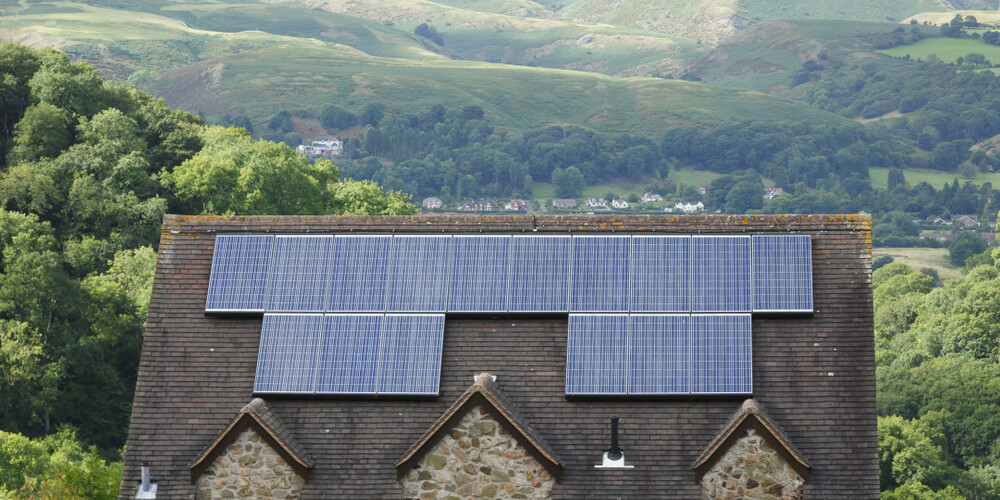
Solar PV panels convert daylight into electricity.
Electricity generated can be used for:
- Household appliances
- Lighting and sockets
- Heating systems
- Battery charging systems
- Exporting electricity back into the grid
Solar Water Heating (Solar Thermal)
Solar water heating systems use roof-mounted collectors to heat water rather than generate electricity.
These systems can help provide:
- Domestic hot water
- Hot water cylinders
- Reduced reliance on boilers
- Lower hot water heating costs
Solar water heating is different from solar PV and is designed specifically for heating water.
Which Grants & Support Routes May Be Available?
ECO4 & ECO4 LA Flex – UK
Solar PV may sometimes be included within wider home energy improvement packages.
Support may be available for:
- Lower-income households
- EPC D–G properties
- Qualifying benefit routes
- Local authority referral routes
Solar is usually considered where it improves overall property efficiency.
Scotland – Home Energy Scotland (HES)
Support may include:
- Solar photovoltaic (PV) systems
- Solar water heating systems
- Battery storage systems
- Heat pumps and renewable technologies
- Loans and grant support where available
Home Energy Scotland
Telephone: 0808 808 2282
Wales – Warm Homes Nest
Solar measures can sometimes be included as part of wider household energy packages.
Support may include:
- Solar PV systems
- Heating improvements
- Insulation packages
Nest Wales
Telephone: 0808 808 2244
Northern Ireland
Solar support may occasionally be available through:
- NISEP programmes
- Local authority schemes
- Area-based energy programmes
Availability varies depending on annual funding arrangements.
Community & Shared Renewable Projects
Larger renewable and shared energy projects may be supported through community schemes.
Examples can include:
- Shared solar projects
- Community-owned renewable systems
- Local energy infrastructure projects
Local Energy Scotland
Telephone: 0808 808 2288
How Are Solar Panels Connected To The Grid?
Solar systems do not connect directly into the national grid first.
The process usually works as follows:
Step 1 – Solar Panels Generate Electricity
Solar PV panels produce Direct Current (DC) electricity.
Homes use Alternating Current (AC) electricity.
Step 2 – Inverter Converts Power
Electricity passes into a solar inverter which converts:
DC → AC
This allows electricity to be used throughout the property.
Step 3 – Installer Connects Into Consumer Unit
A qualified electrician or solar installer connects the inverter directly into your property's consumer unit (fuse board).
The installer does not normally install a separate grid connection.
Instead, the solar system connects into your existing household electrical supply.
Step 4 – Home Uses Electricity First
Electricity generated is generally used in this order:
Household appliances and electricity demand
Battery charging (if installed)
Excess electricity export
Step 5 – Excess Power Flows Back To The Network
If the system produces more electricity than the property uses, excess electricity automatically flows back through your existing supply connection into the local electricity network.
Step 6 – Distribution Network Notification
The installer usually handles the required notification paperwork with the local electricity network operator.
Larger systems may require approval before installation begins.
What Happens After Installation?
Following installation:
- Electrical testing is completed
- Certificates are issued
- Grid notifications are submitted
- Monitoring systems can be configured
- Export arrangements can be set up
Smart Export Guarantee (SEG)
Some households may be able to receive payments for electricity exported back into the network.
Requirements generally include:
- MCS-certified installation
- Smart meter or export meter
- Eligible supplier requirements
Payment rates vary between energy suppliers.
Additional Information
- Solar PV produces electricity
- Solar thermal heats water
- Battery systems can sometimes be added later
- Installers usually handle grid paperwork
- Funding varies by region and eligibility
Need Information On Current Grants & Support?
Funding arrangements and eligibility requirements can change over time.
Contact Grants Gateway to discuss current grants and support routes that may apply to household and property circumstances.
Available support and eligibility requirements can vary depending on location and individual circumstances.
Future Solar Support & Upcoming Government Plans
The UK Government has announced plans to expand support for solar panels, battery storage and wider home energy improvements as part of future energy and housing programmes.
Proposals discussed under the Warm Homes Plan aim to increase renewable technology use, improve energy efficiency and help reduce household energy costs.
Future support is expected to focus on:
- Solar photovoltaic (PV) systems
- Home battery storage systems
- Heat pumps and low-carbon heating
- Insulation improvements
- Support for lower-income households and fuel-poor homes
- Wider home energy upgrade packages
When Is Future Support Expected?
Future delivery is expected to be introduced gradually rather than through a single national launch.
Current plans indicate:
- Additional funding and support measures expected between 2026–2030
- Further solar and battery programmes anticipated during future rollout phases
- Expansion of home upgrade and renewable energy support across the UK
- Ongoing development of household energy schemes and local delivery programmes
Government proposals continue to evolve and programme details may change as future announcements are made.
Future Plug-In Solar Systems
The Government has also discussed the introduction of plug-in solar systems, designed to make solar technology more accessible for properties where traditional installations can be difficult.
These systems may particularly benefit:
- Flats
- Renters
- Balconies
- Smaller homes
- Properties with limited roof space
Future rollout details are still being developed.
Important Information
- Future grant levels are still being developed
- Eligibility requirements may change
- New funding routes may be introduced over time
- Delivery timescales may vary across different regions of the UK
Need Information On Current Grants & Support?
Contact Grants Gateway to discuss future grant developments and support routes that may apply to household and property circumstances.
Available support and eligibility requirements can vary depending on location and individual circumstances.
Related Posts