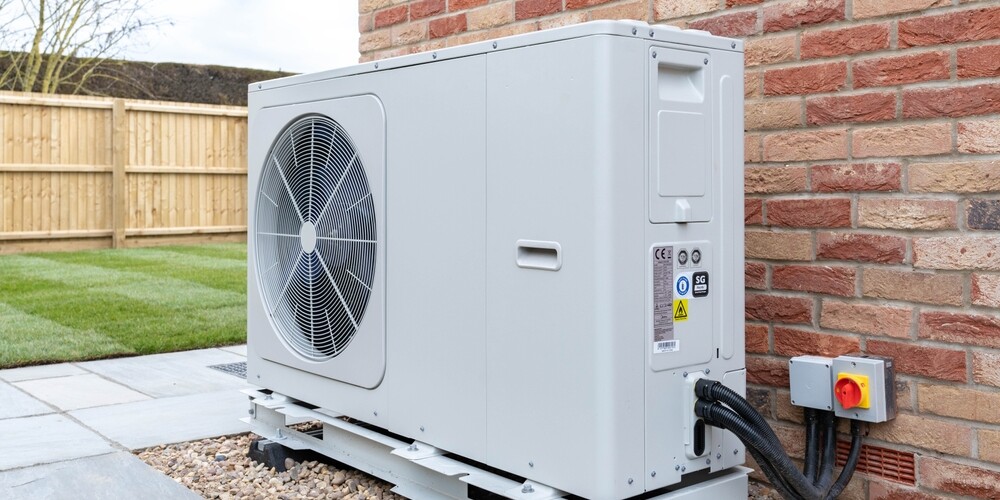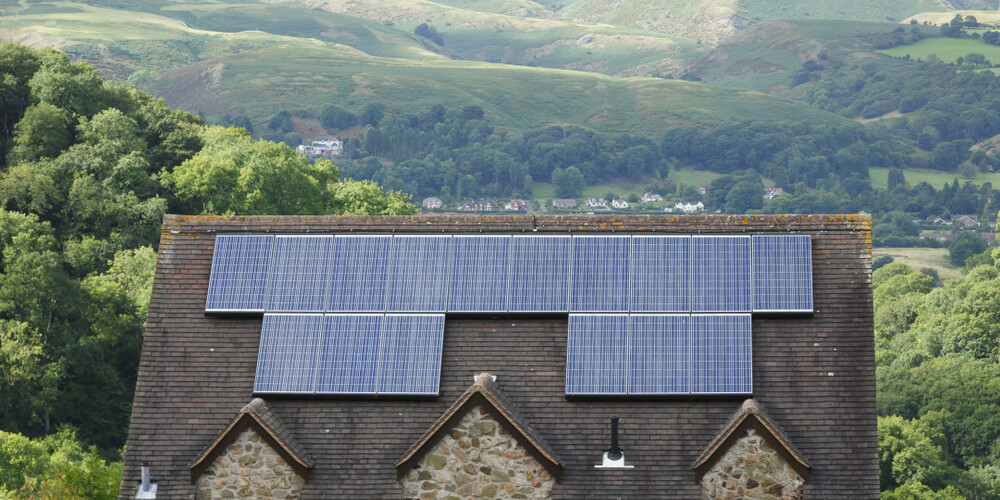
The Non-Domestic Renewable Heat Incentive (RHI) was a UK Government programme created to encourage businesses, public sector organisations and community projects to switch from fossil fuels to renewable heating systems.
Although the scheme closed to new applicants in March 2021, organisations that joined successfully before closure can still receive ongoing payments for up to 20 years from the date of accreditation, provided they continue meeting scheme requirements.
The scheme became one of the UK's largest renewable heat support programmes and helped fund renewable heating systems across farms, factories, schools, hotels and industrial buildings.
What Technologies Were Supported?
The scheme covered a wide range of renewable heating technologies:
Heating Systems
- Biomass boilers and biomass heating systems
- Ground source heat pumps
- Air source heat pumps
- Water source heat pumps
- Solar thermal systems
- Deep geothermal heating
- Biogas systems
- Biomethane injection projects
- Combined Heat and Power (CHP) systems
- District and shared heat networks
Who Was The Scheme For?
The scheme was designed for:
- Businesses
- Farms and agricultural buildings
- Manufacturers
- Hotels and leisure facilities
- Schools and universities
- Hospitals
- Public sector bodies
- Community organisations
- Multi-property heating systems
How Did Payments Work?
Unlike standard grants, the Non-Domestic RHI paid organisations based on the amount of renewable heat generated.
Payments:
- Were made quarterly
- Continued for up to 20 years
- Were linked to heat output and metering
- Were adjusted periodically
- Could create long-term income alongside fuel savings
For example:
A farm, factory or commercial site installing a qualifying biomass or heat pump system could receive ongoing support payments while reducing fuel costs.
How Businesses Applied Before Closure
Step 1 – Check Eligibility
Applicants first checked:
- Building type
- Technology eligibility
- Heat demand
- Project size
- Location requirements
Step 2 – Install An Eligible Renewable Heating System
Systems had to meet technical requirements and scheme standards.
Many applicants worked with:
- Renewable installers
- Heat pump specialists
- Biomass suppliers
- Energy consultants
Step 3 – Metering & Technical Evidence
Applicants often required:
- Heat meters
- Technical certificates
- Commissioning evidence
- System documentation
Step 4 – Submit Accreditation Application
Applications were submitted through Ofgem and included:
- Technical system details
- Meter information
- Ownership information
- Supporting evidence
Step 5 – Ongoing Reporting
Approved participants had continuing responsibilities:
- Meter readings
- System maintenance
- Compliance reporting
- Scheme monitoring requirements
Current Position
- Closed to new applicants
- Existing accredited participants continue receiving payments
- Payments can continue for up to 20 years
- Legacy participants must continue complying with scheme rules
Need Information On Current Grants & Support?
Funding arrangements and eligibility requirements can change over time.
Contact Grants Gateway to discuss current grants, renewable heat support routes and funding that may apply to your business, farm or project circumstances.
Available support and eligibility requirements can vary depending on location and individual circumstances.
.
.
Related Posts