The Non-Domestic Renewable Heat Incentive (RHI) was a UK Government programme created to encourage organisations to move away from fossil fuel heating and invest in renewable energy systems.
The scheme provided long-term financial support to businesses, public sector organisations and community groups that installed renewable heating technologies.
Although the scheme closed to new applicants in March 2021, organisations that joined before closure can continue receiving ongoing tariff payments for the remainder of their agreement period.
For many accredited participants, the scheme remains a long-term source of income.
What Did The Scheme Support?
The programme supported a range of renewable heating technologies designed to reduce carbon emissions and improve energy efficiency.
Renewable Heating Systems
Supported technologies included:
- Biomass boilers and biomass heating systems
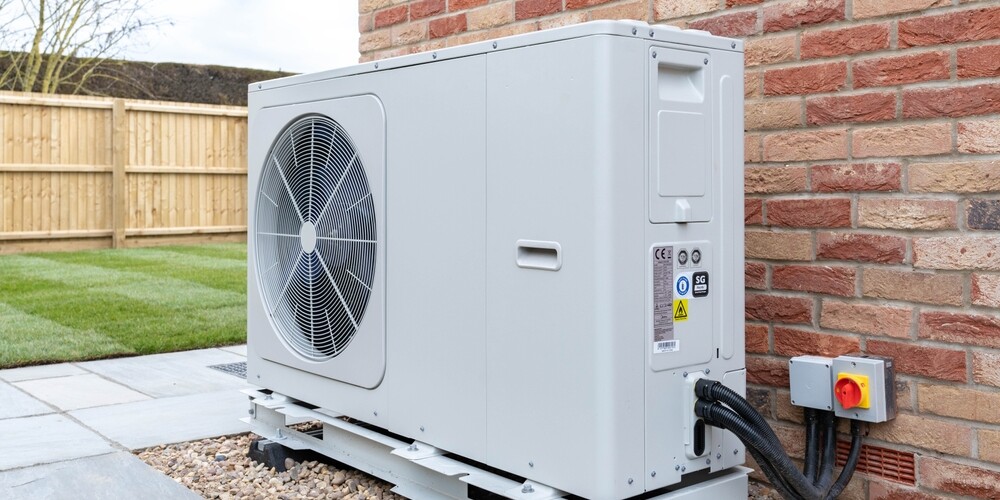
- Air source heat pumps
- Ground source heat pumps
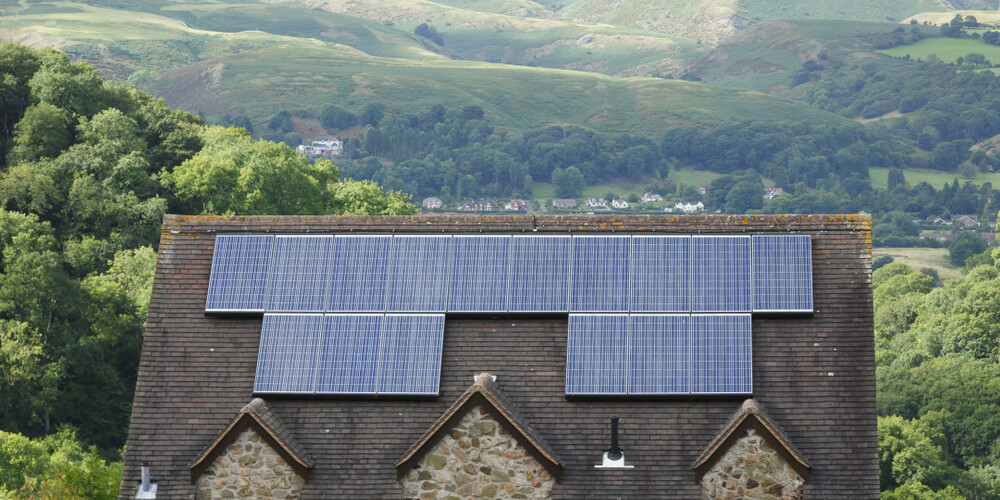
- Solar thermal hot water systems
- Deep geothermal heating systems
Community & Shared Heat Projects
Support also included:
- Heat networks
- Shared district heating systems
- Biogas combustion systems
- Biomethane injection projects
- Community energy infrastructure
How Much Support Was Available?
Unlike traditional grants, RHI provided ongoing tariff payments rather than a one-off payment.
Participants received:
- Quarterly payments based on renewable heat produced
- Payments linked to metered heat generation
- Support agreements lasting up to 20 years
- Annual inflation-linked payment adjustments
Payment rates varied depending on:
- Technology type
- Project size
- Installation capacity
- Date of accreditation
Some larger commercial and agricultural systems generated substantial long-term payments over the life of the agreement.
Who Was The Scheme Designed For?
The Non-Domestic RHI supported larger non-domestic properties and organisations.
The scheme was previously available to:
- Businesses and commercial operators
- Farms and agricultural businesses
- Public sector organisations
- Schools and colleges
- Hospitals and healthcare providers
- Community organisations and charities
- Factory and industrial premises
- Office buildings and commercial sites
Examples included:
- Farms installing biomass boilers
- Businesses switching warehouse heating systems
- Schools replacing oil heating with renewable technologies
- Community organisations installing shared heating systems
Can You Still Apply?
Important information:
- New applications closed in March 2021
- The scheme is no longer accepting new participants
- Existing accredited participants continue receiving payments
- Agreements can continue for up to 20 years
Parts of the scheme have since been replaced by newer support programmes and renewable energy initiatives.
How The Legacy Scheme Works Today
Step 1 – Existing Accreditation
Only organisations accredited before closure remain eligible.
Step 2 – Ongoing Monitoring
Participants continue monitoring renewable heat production through approved systems.
Step 3 – Quarterly Reporting
Meter readings and compliance information continue to be submitted.
Step 4 – Continued Payments
Quarterly tariff payments continue for the remainder of the agreement period.
Additional Information
- Scheme closed to new applicants in March 2021
- Existing participants can continue receiving payments
- Agreements can last up to 20 years
- Payments remain linked to renewable heat production
- Compliance and reporting requirements continue to apply
Need Information On Current Grants & Support?
Funding arrangements and support schemes change over time.
Contact Grants Gateway to discuss current grants and support routes that may apply to business, energy or property circumstances.
Available support and eligibility requirements can vary depending on location and individual circumstances.
Related Posts